
Our Work
Help You Design Stuffed Animals
No design skills? No problem! Our expert designers will bring your stuffed animal ideas to life with professional design services tailored to your vision.
How Our Design Service Works
We’ve made the process simple and collaborative to ensure your vision becomes a reality

Share Your Idea
Describe your concept through our simple form or schedule a consultation

Consultation
We discuss details, requirements, and bring clarity to your vision

Design Creation
Our artists create professional design mockups based on your ideas

Revisions & Finalization
We refine until you're completely satisfied with the design
How Our Design Service Works
We’ve made the process simple and collaborative to ensure your vision becomes a reality
Fabric Options
Explore our comprehensive collection of fabrics and stuffing materials
Natural Fibers
Plush & Pile
Specialty
Synthetic
Blended
Knitted
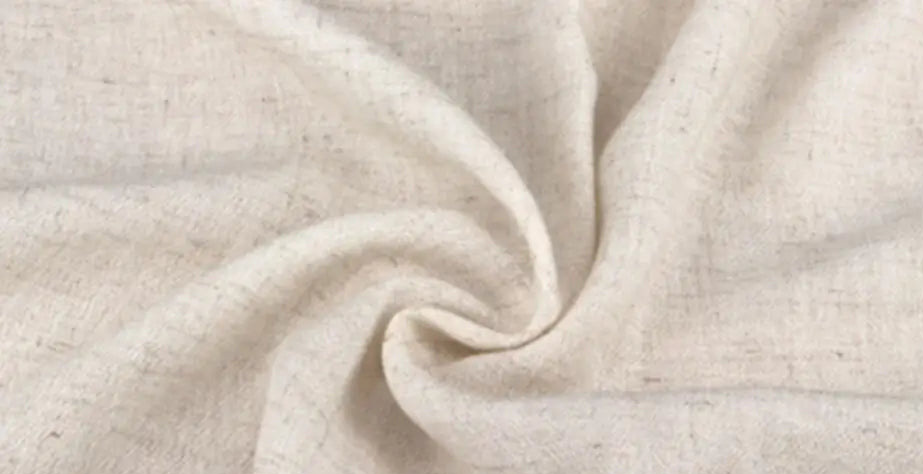
Cotton
A natural plant-based fiber known for its breathability and softness, making it ideal for plush toys intended for infants and young children.
Pros
Hypoallergenic and skin-friendly
Excellent breathability prevents moisture buildup
Ideal for detailed printing applications
Biodegradable and environmentally sustainable
Cons
Prone to wrinkling and requires careful maintenance
Limited durability with weak moisture resistance
Colors fade when exposed to direct sunlight
Can shrink if not pre-treated properly
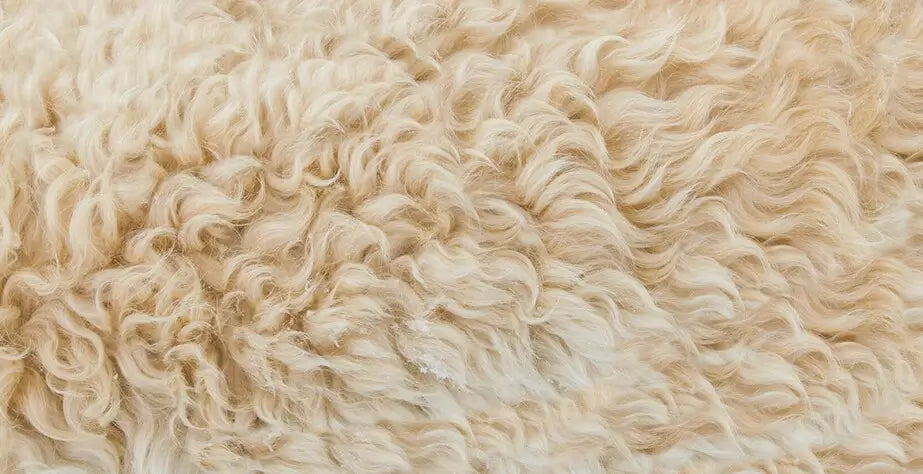
Wool
A natural animal fiber prized for its warmth, elasticity, and natural crimp that provides excellent insulation properties.
Pros
Exceptionally warm and comfortable
Natural elasticity provides excellent shape retention
Biodegradable and renewable resource
Naturally flame-resistant
Cons
Higher cost than synthetic alternatives
May cause allergic reactions in some individuals
Requires special cleaning and maintenance
Can felt or shrink if improperly washed
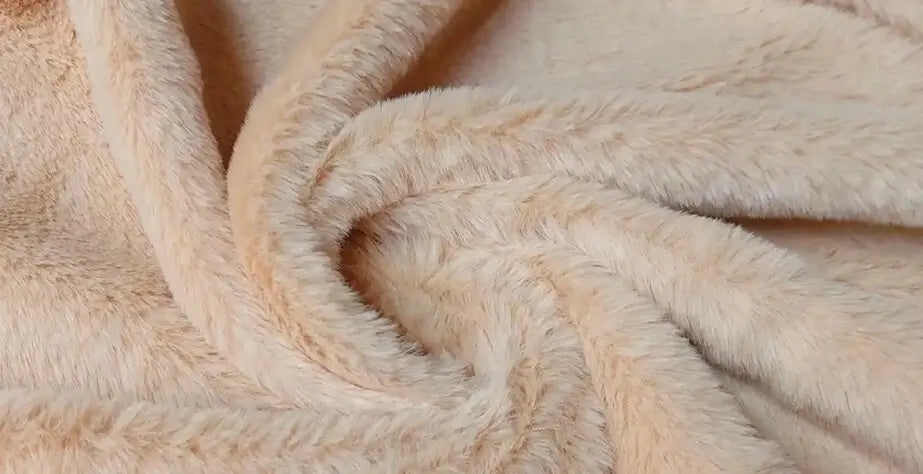
Short Plush
A fabric with a short, dense pile that creates a smooth surface ideal for detailed plush designs with defined features.
Pros
Provides realistic appearance with fine details
Soft texture suitable for frequent hugging
Resists dust accumulation better than long pile fabrics
Maintains appearance well with regular use
Cons
Can appear worn more quickly than longer piles
May show wear patterns in high-contact areas
Limited luxurious feel compared to longer piles
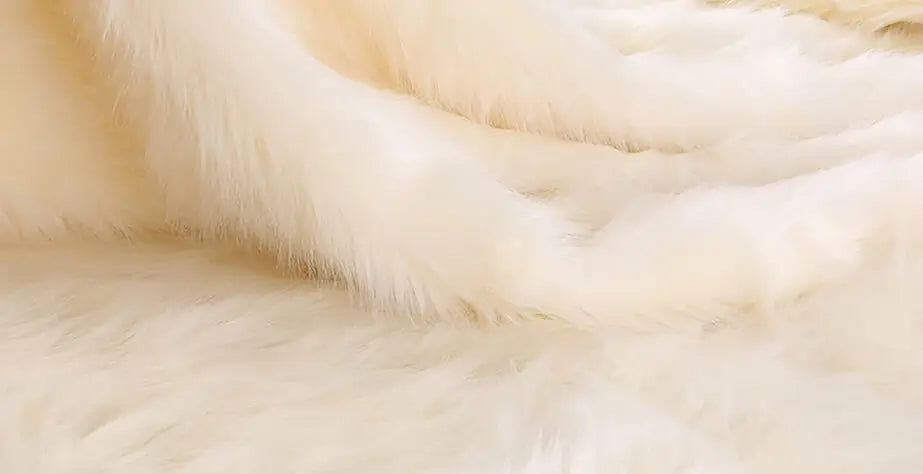
Long Plush
Characterized by longer fibers that create a luxurious, deep pile with exceptional softness and visual appeal.
Pros
Luxurious appearance with high visual appeal
Exceptionally soft and comforting texture
Creates impressive three-dimensional effect
Ideal for large plush toys and premium products
Cons
Difficult to clean and maintain
Prone to matting and tangling
Not suitable for detailed designs requiring precision
Shows dirt and stains more noticeably
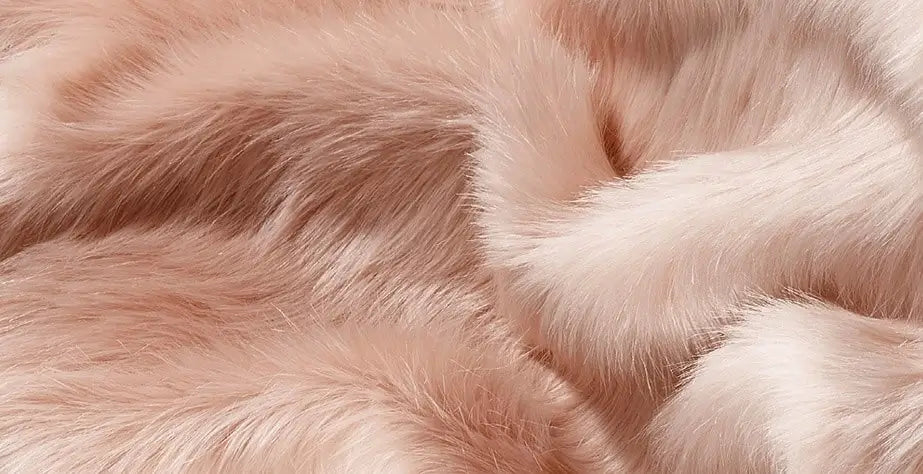
Faux Fur
Synthetic fabric designed to mimic real animal fur without using animal products, available in various patterns and colors.
Pros
Ethical alternative to real animal fur
Wide variety of colors and patterns available
Provides warmth similar to real fur
Can be made to resemble specific animal coats
Cons
Higher production cost than basic synthetics
Environmental concerns with synthetic fibers
May shed fibers over time
Requires special care when cleaning
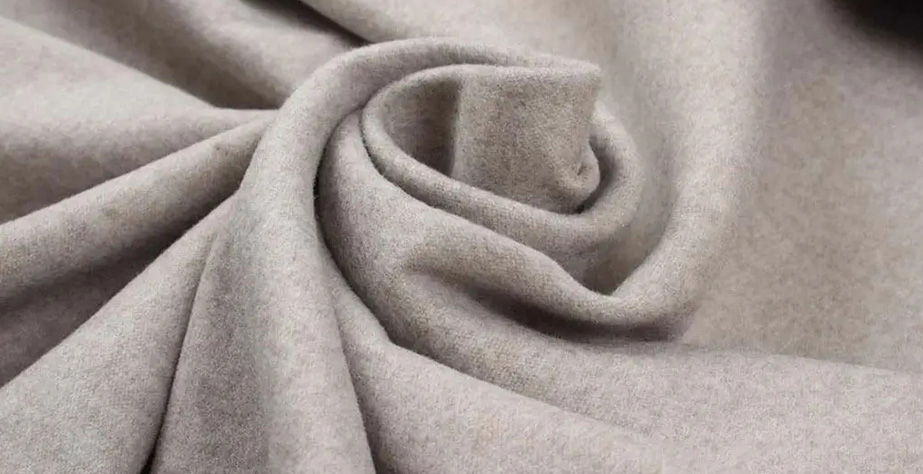
Polyester Felt
A non-woven textile made by matting, condensing, and pressing fibers together, available in polyester and acrylic varieties.
Pros
Excellent shape retention for structural elements
Easy to cut and sew without fraying
Provides a velvety surface texture
Ideal for 3D character features
Cons
Can appear worn more quickly than longer piles
May show wear patterns in high-contact areas
Limited luxurious feel compared to longer piles
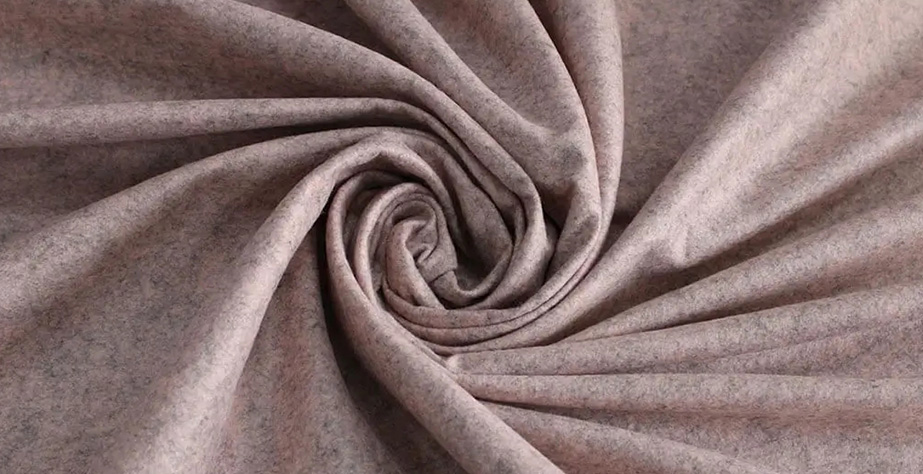
Acrylic Felt
A non-woven textile made by matting, condensing, and pressing fibers together, available in polyester and acrylic varieties.
Pros
Softer than polyester felt
More affordable option
Good for decorative elements
Cons
Difficult to clean and maintain
Prone to matting and tangling
Not suitable for detailed designs requiring precision
Shows dirt and stains more noticeably
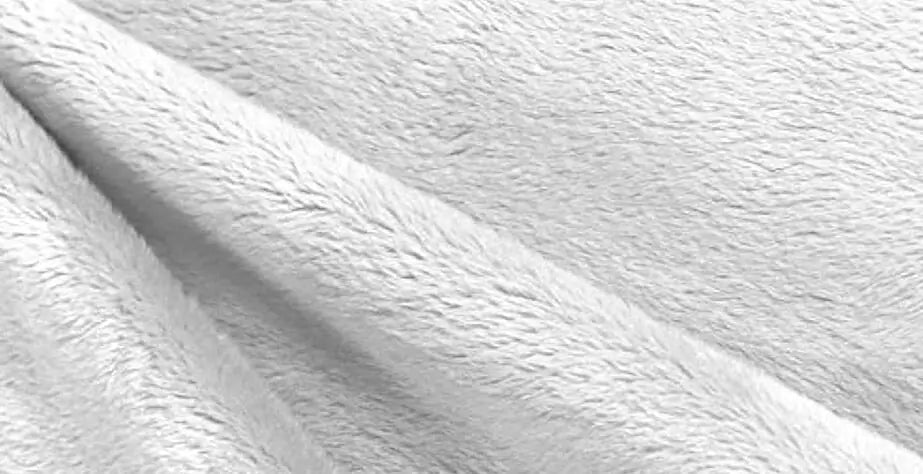
Minky
A ultra-soft polyester fabric with a plush, velvety texture that’s particularly popular for baby products.
Pros
Exceptionally soft and comforting texture
Available in various patterns and textures
Durable despite extreme softness
Hypoallergenic properties
Cons
Static electricity buildup in dry conditions
Attracts lint and pet hair
Requires special care when sewing
Higher cost than basic polyester
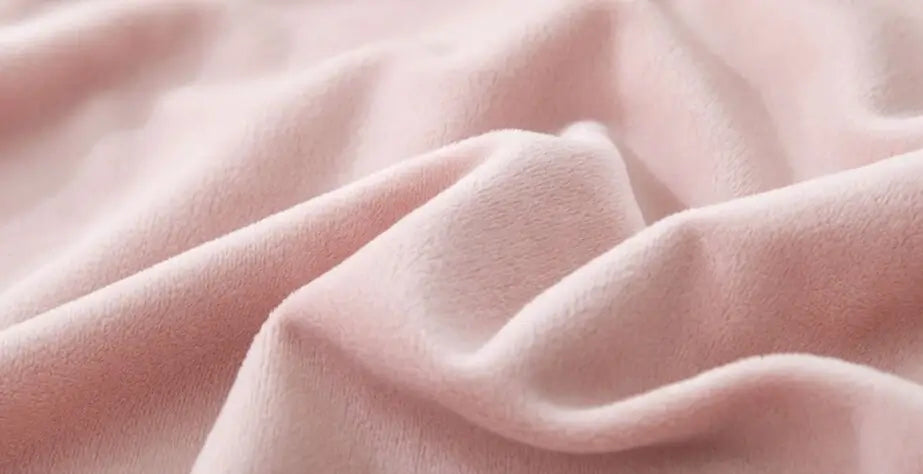
Velvet
A luxurious woven fabric with a dense, smooth pile that gives it a distinctive softness and shine.
Pros
Luxurious appearance with rich visual depth
Exceptionally soft and pleasant to touch
Creates elegant, high-end looking products
Cons
Shows wear patterns and crushing marks
Difficult to clean and maintain
Pile direction affects appearance consistency
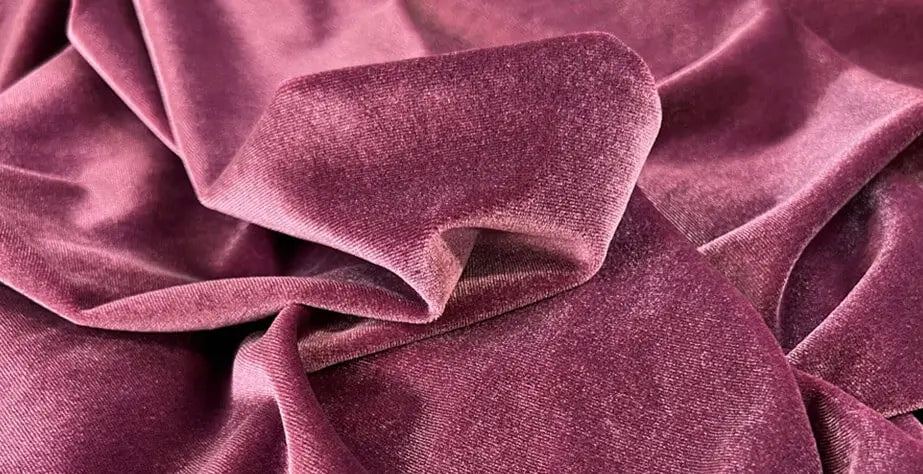
Velour
A knitted fabric with a short pile surface similar to velvet but with more stretch and less formality.
Pros
Good stretch and recovery properties
More affordable than velvet
Soft and comfortable surface
Cons
Informal appearance limits applications
May pill with friction over time
Less luxurious than velvet
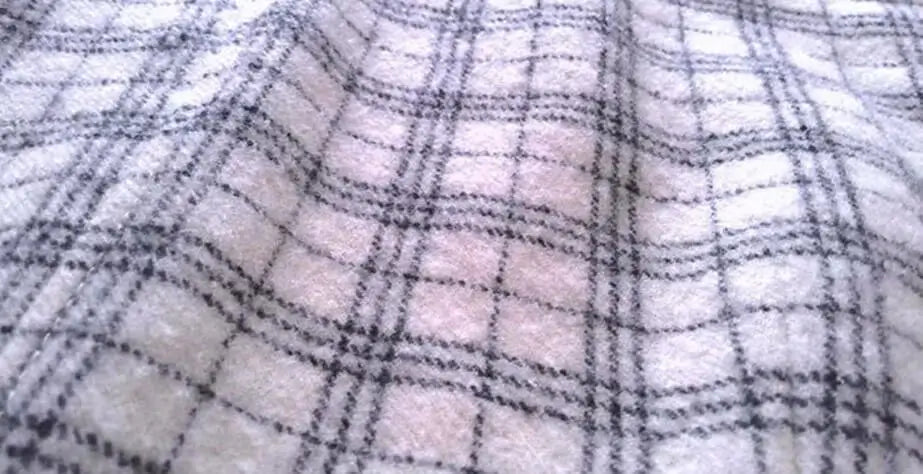
Flannel
A soft woven fabric, typically made from cotton or synthetic fibers, known for its warmth and slight fuzziness.
Pros
Provides warmth without excessive weight
Soft texture comfortable against skin
Available in various patterns and weights
Generally affordable
Cons
Less durable than other fabric options
Can shrink if not pre-washed
Pills with friction over time
Not ideal for highly detailed designs
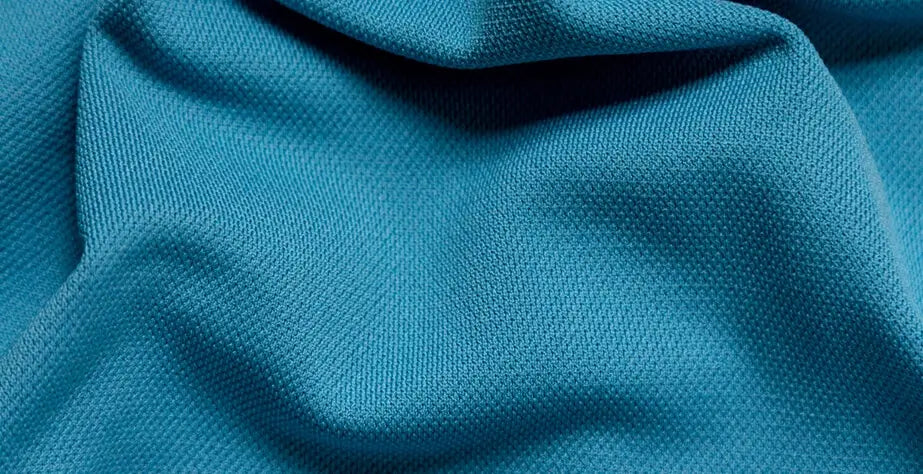
Polyester
A versatile synthetic polymer fabric known for its durability, color retention, and resistance to wrinkles and shrinking.
Pros
Excellent durability and wear resistance
Retains color well through multiple washes
Resistant to wrinkles and shrinking
Quick-drying properties
Cons
Less breathable than natural fibers
Can generate static electricity
Environmental concerns with microplastics
Not biodegradable
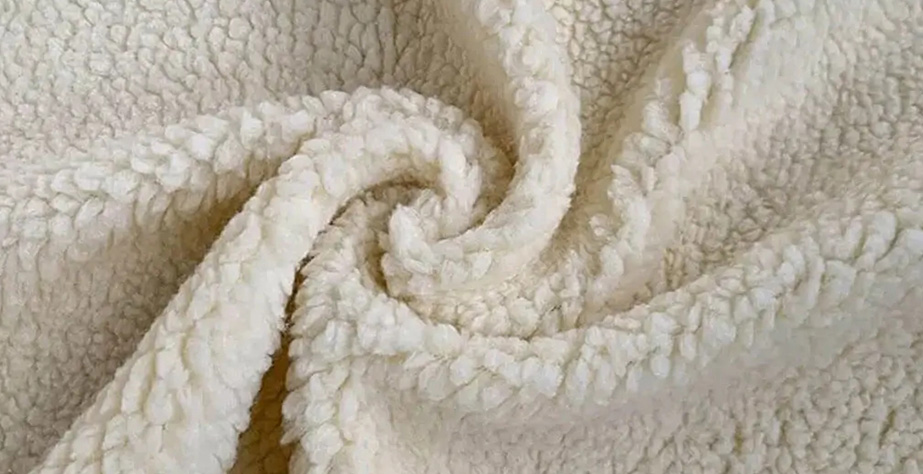
Fleece
A soft synthetic fabric with a thick pile, known for its warmth, lightweight properties, and moisture-wicking abilities.
Pros
Excellent insulation properties
Lightweight despite warmth
Moisture-wicking keeps surface dry
Easy to care for and quick-drying
Cons
Pills with friction over time
Environmental concerns with microplastics
Can generate static electricity
Not as breathable as natural fibers
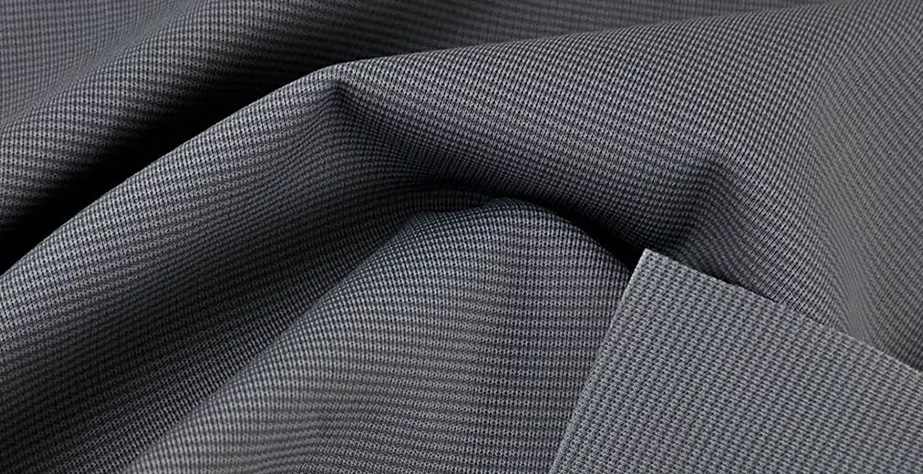
Nylon
A strong synthetic polymer fabric known for its exceptional strength, elasticity, and resistance to abrasion.
Pros
Extremely strong and durable
Good elasticity and recovery
Resistant to abrasion and chemicals
Lightweight yet strong
Cons
Poor UV resistance (degrades in sunlight)
Can absorb odors
Not as soft as other synthetic options
Environmental production concerns
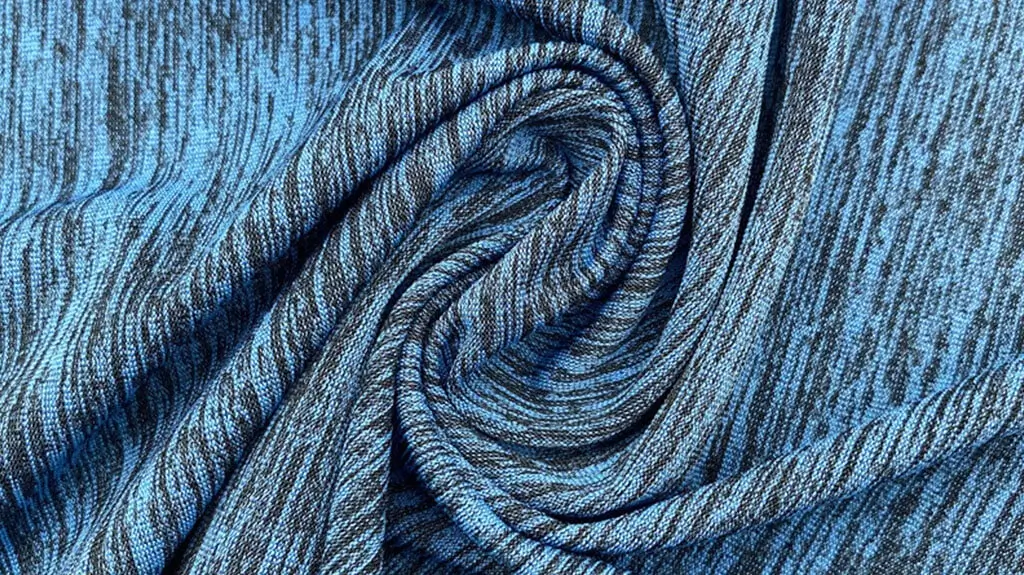
Heather Fabric
A blended fabric featuring speckled appearance created by combining differently colored fibers.
Pros
Unique visual appearance with speckled effect
Good for creative and distinctive designs
Generally soft texture
Cons
Higher cost than basic blends
Limited comfort compared to premium fabrics
Not widely used in plush toy production
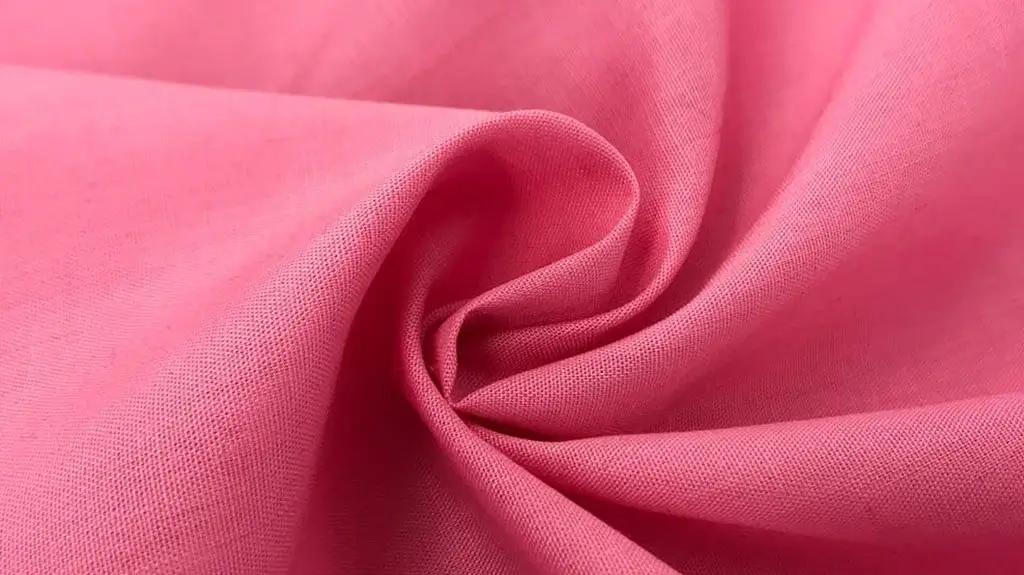
T/C Fabric
A popular blend combining the durability of polyester with the comfort of cotton.
Pros
Wrinkle-resistant and easy to maintain
Good color fastness properties
Cost-effective production
Combines durability with some natural fiber benefits
Cons
Prone to pilling with use
Limited breathability compared to pure cotton
Not as soft as premium fabrics
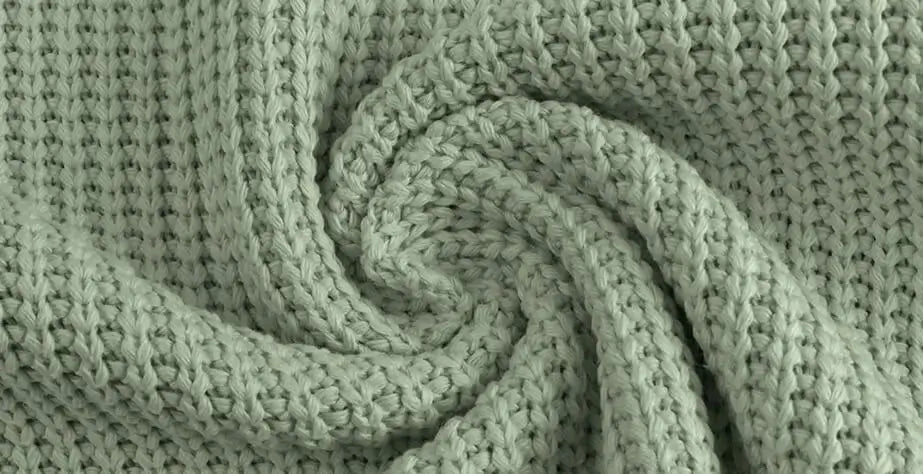
Regular Knitted Fabric
Textile created by interlocking loops of yarn, providing stretch and flexibility.
Pros
Excellent stretch and recovery
Soft and comfortable against skin
Adapts well to complex shapes
Good drape characteristics
Cons
Less structural support than woven fabrics
May lose shape over time
Edges can curl if not finished properly
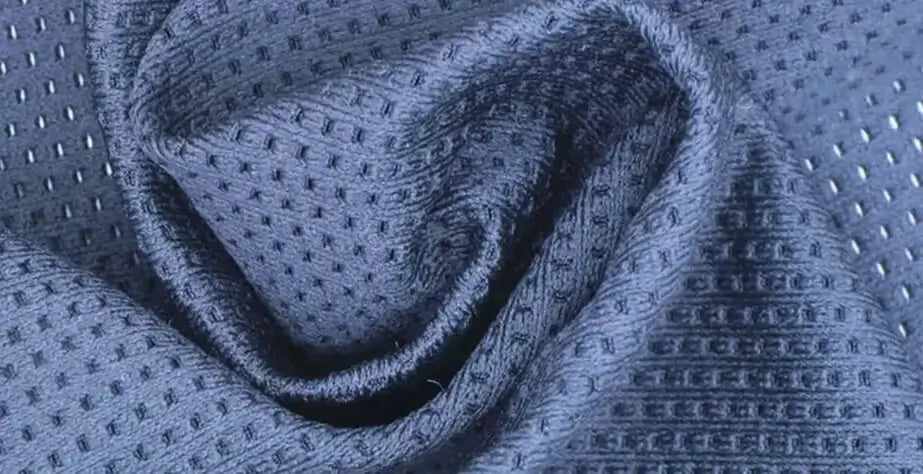
Tricot Fabric
A specific type of knitted fabric known for its stability and resistance to unraveling.
Pros
More stable than regular knits
Less likely to unravel
Smooth surface good for printing
Provides firmer structure
Cons
Less stretch than regular knits
May not be as comfortable for cuddling
Limited texture compared to plush fabrics
Stuffing Materials Options
Explore our comprehensive collection of fabrics and stuffing materials
Conventional Stuffing
Eco-Friendly Stuffing
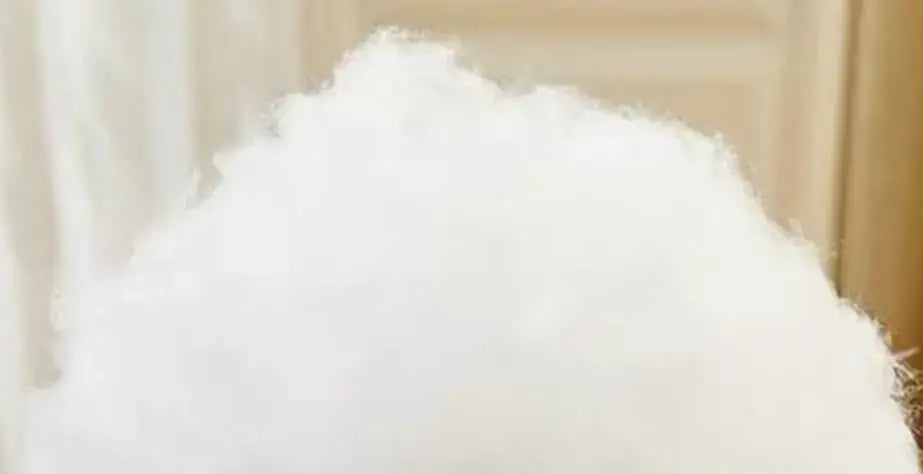
Polyester Fiber (PP Cotton)
The most common stuffing material for plush toys, made from synthetic polyester fibers.
Pros
Soft and fluffy texture
Good elasticity and shape retention
Hypoallergenic properties
Resistant to moisture and mildew
Lightweight and cost-effective
Cons
Can appear worn more quickly than longer piles
May show wear patterns in high-contact areas
Limited luxurious feel compared to longer piles
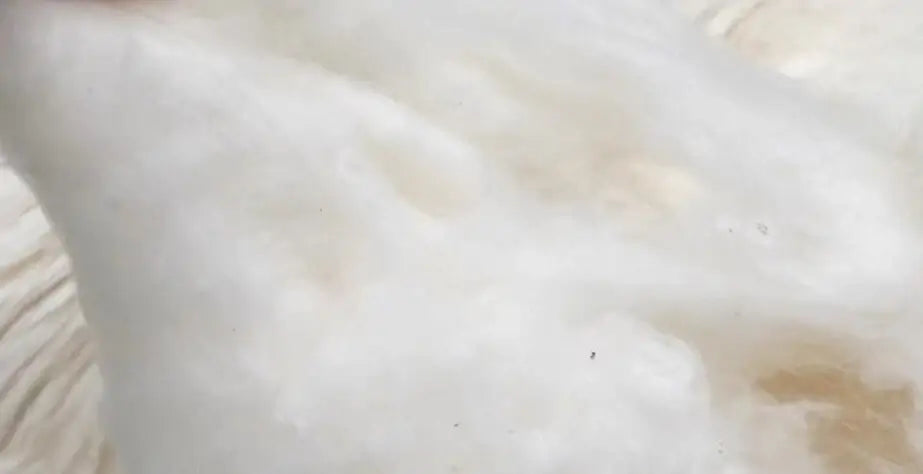
Natural Cotton
Traditional stuffing material made from natural cotton fibers.
Pros
Natural and biodegradable
Hypoallergenic and skin-friendly
Good breathability
Renewable resource
Cons
Less elastic than synthetic options
Requires frequent fluffing to maintain loft
Absorbs moisture, potential for mold
Can become lumpy if not evenly distributed
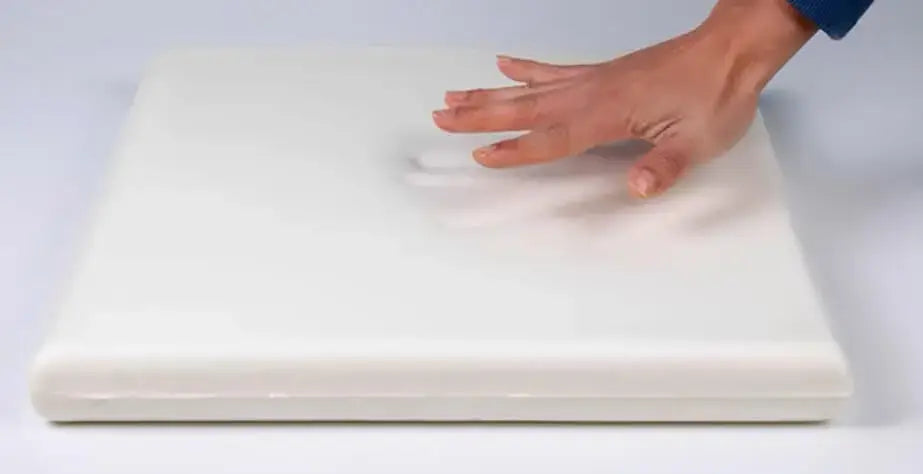
Memory Foam
Viscoelastic polyurethane foam that responds to heat and pressure, returning slowly to its original shape.
Pros
Excellent support and pressure relief
Maintains shape well over time
Provides structured support for posed toys
High-quality feel
Cons
Higher cost than fiber stuffing
Heavier than other options
May retain heat
Limited availability in various densities
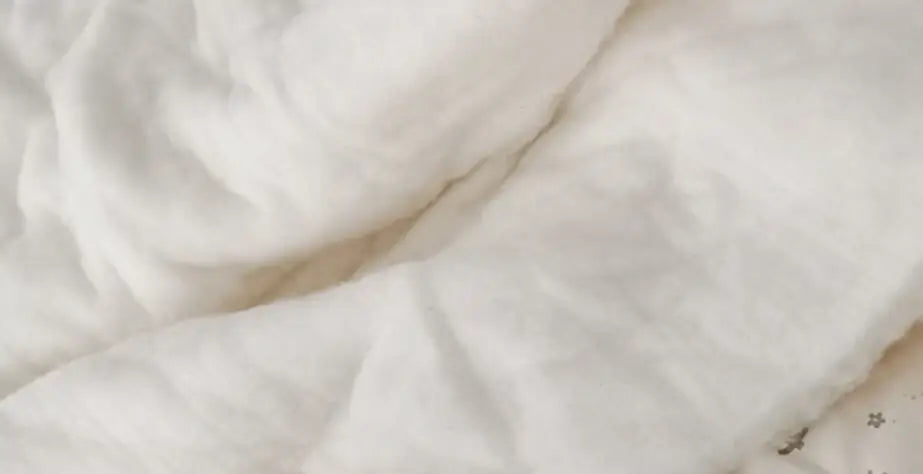
Washed Cotton
Cotton fabric that has been treated to create a softer, more relaxed texture resembling well-worn cotton.
Pros
Extremely soft and comfortable
Good breathability
Hypoallergenic properties
Natural material
Cons
Potential for clumping when wet
Requires thorough drying to prevent mildew
May require frequent redistribution
Less support than synthetic options
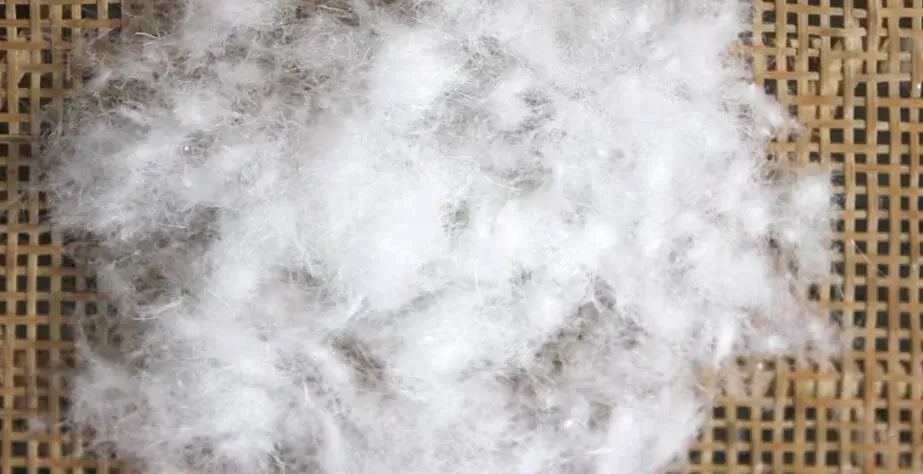
Down Cotton
Premium stuffing material made from down feathers, known for exceptional softness and warmth.
Pros
Exceptionally soft and luxurious feel
Excellent insulation properties
Very lightweight
Natural material
Cons
Highest cost among stuffing options
Potential for allergic reactions
Requires special cleaning care
May shift within the toy over time
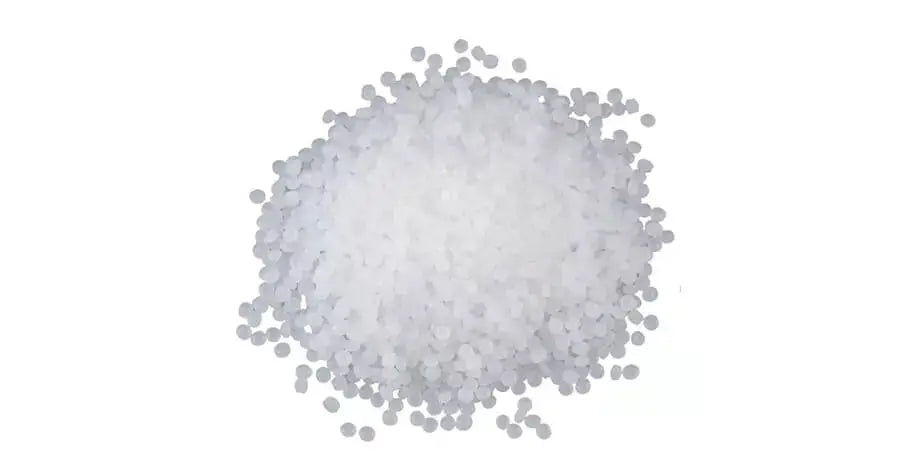
Plastic Pellets
Small plastic granules used to add weight and structure to plush toys.
Pros
Provides stability and weight
Allows toys to maintain positions
Durable and long-lasting
Inexpensive
Cons
Not soft or comfortable
Can create noise when moved
Not suitable for children's toys
Environmental concerns with plastics
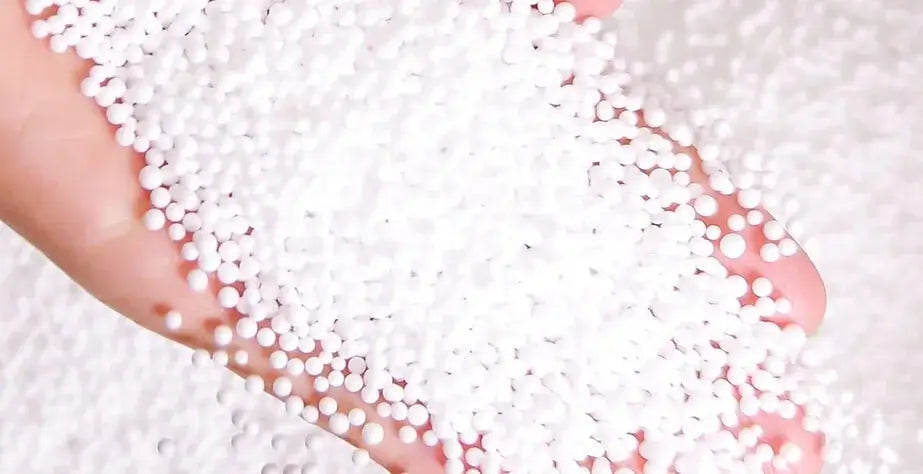
Foam Particles
Small pieces of polyurethane or polystyrene foam used as lightweight stuffing.
Pros
Extremely lightweight
Good shock absorption
Conforms to various shapes
Inexpensive
Cons
Not environmentally friendly
May release odors over time
Less support than solid foam
Can shift within the toy
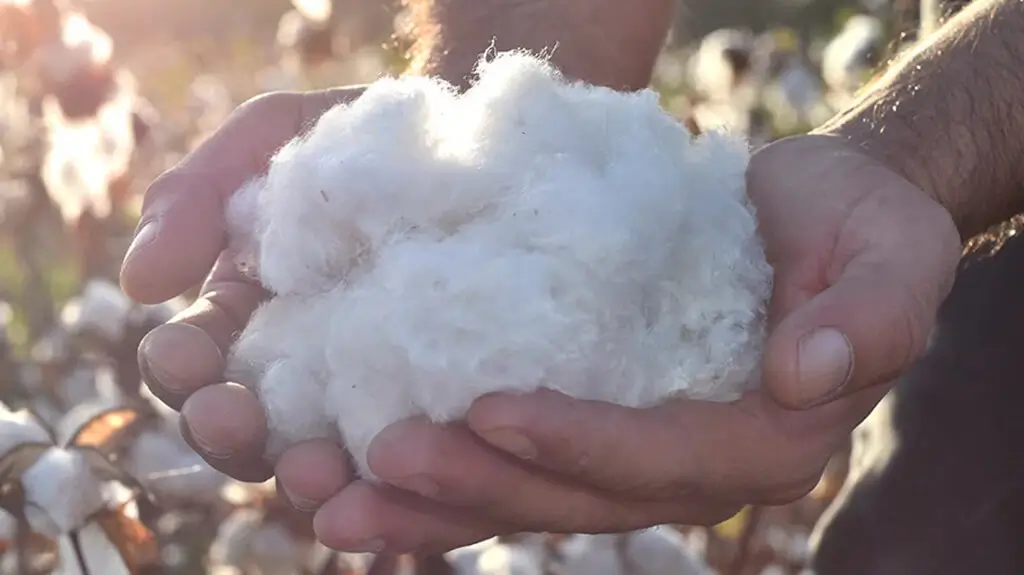
Organic Cotton
Cotton grown without synthetic pesticides or fertilizers, processed without harsh chemicals.
Pros
Environmentally sustainable production
Free from harmful chemicals
Hypoallergenic and skin-safe
Biodegradable
Cons
Higher cost than conventional cotton
Limited availability
Requires similar maintenance to regular cotton
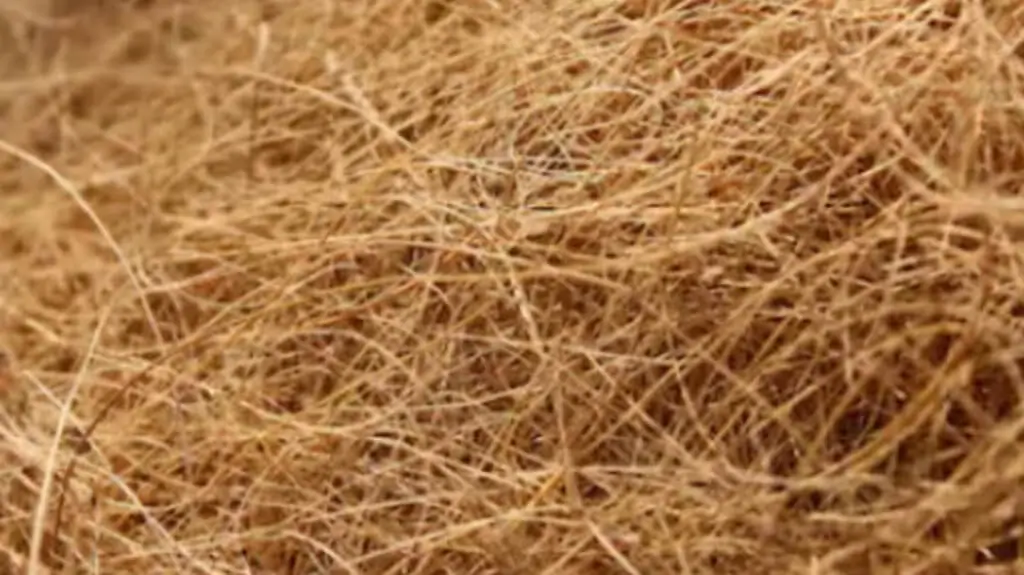
Bamboo Fiber
Natural fiber derived from bamboo plants, known for its softness and antimicrobial properties.
Pros
Natural antimicrobial properties
Soft and silky texture
Biodegradable and sustainable
Moisture-wicking capabilities
Cons
Higher cost than synthetic options
Limited availability
May require special cleaning care
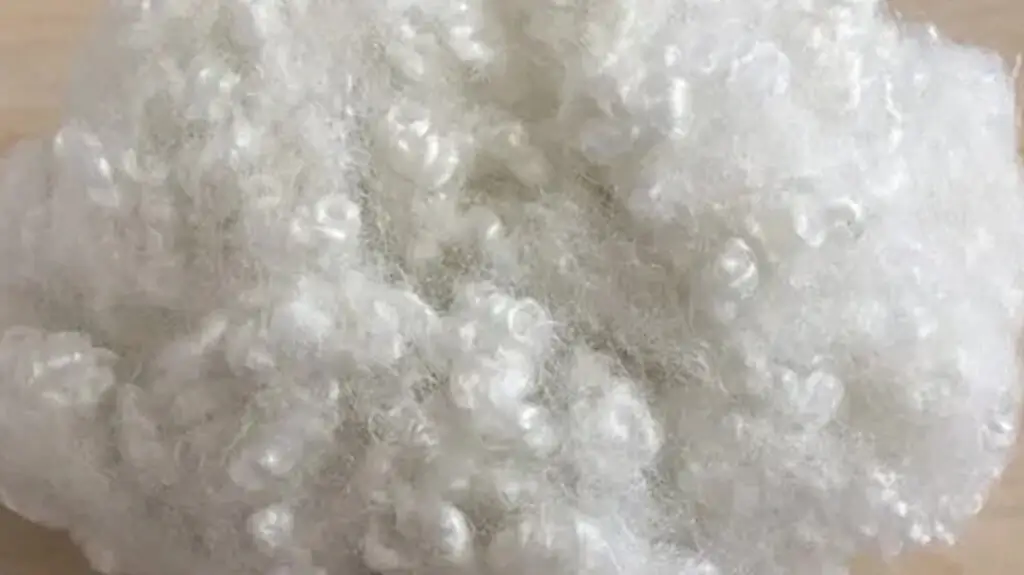
Recycled Polyester Fiber
Polyester stuffing made from recycled plastic bottles and other polyester products.
Pros
Reduces plastic waste
Maintains properties of virgin polyester
Cost-effective eco-option
Widely available
Cons
Still a synthetic material
May have slight color variations
Microplastic concerns remain
Looking For A Perfect Plush toy?

Authors
Maker characters come to life to enhance interaction with readers.

Promotions
Brand plush toys and logo-themed cute plush dolls are enduring promotional materials.

Mascots
100% custom-made plush is a high-quality embodiment of your team spirit

Brands & Logos
Make your own stuffed animal to make your organization’s brand impressive.
Request A FREE Quote
The first step in making your order with us!
Do not exceed 1MB in size. * Please upload images in PNG, JPEG, JPG, GIF or WEBP format *